25 Jun 2026
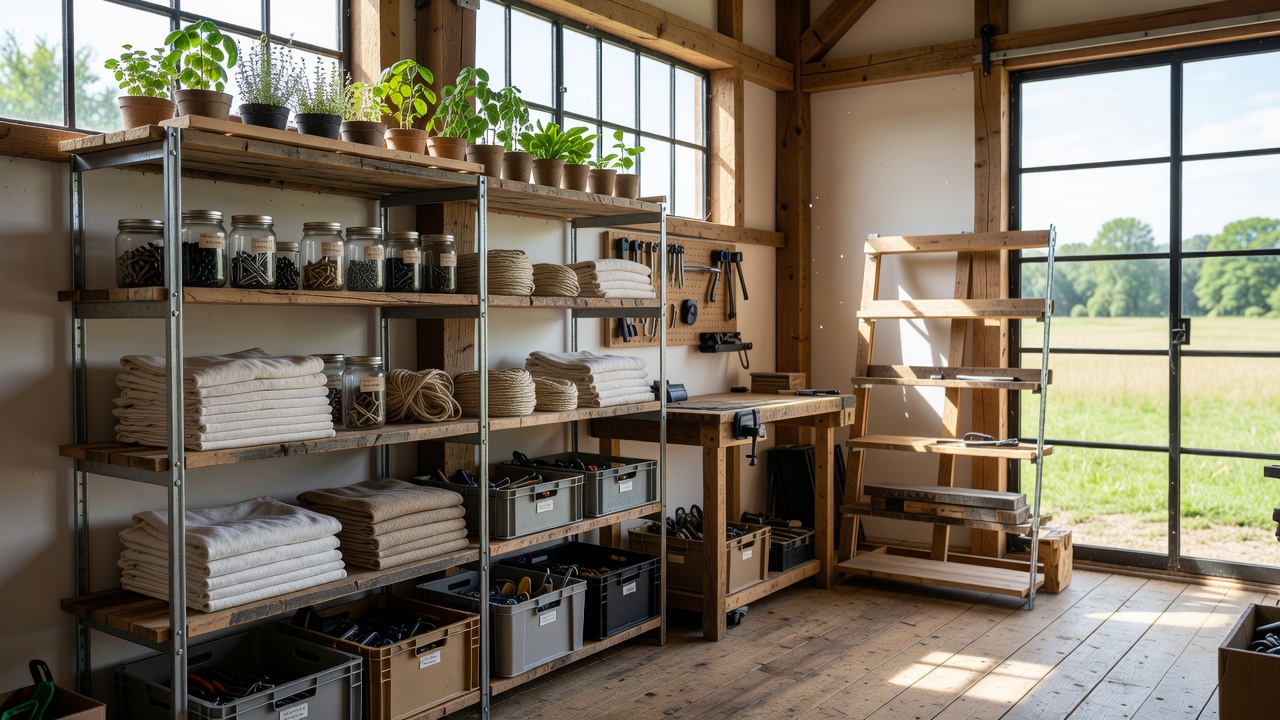
Gladestall represents a structured approach to organizing spaces and resources with an emphasis on efficiency and sustainability. It focuses on creating functional setups that adapt to various environments while minimizing waste. This method has gained attention for its practical benefits in both personal and professional settings.
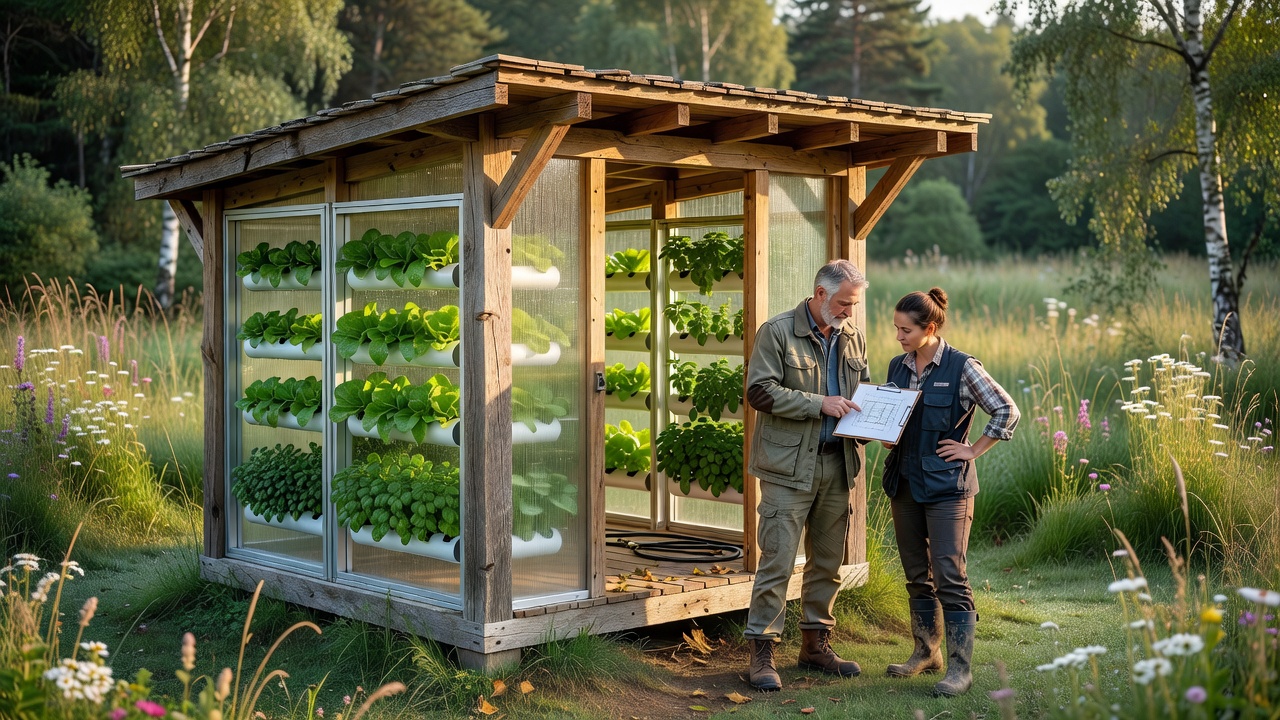
Defining Gladestall
At its core, Gladestall involves the strategic placement of elements to optimize flow and accessibility. Practitioners assess available space, identify primary needs, and arrange components accordingly. The process prioritizes durable materials and modular designs that can be reconfigured as requirements change. Users often report improved organization and reduced clutter after adopting these principles.
Key considerations include environmental impact and long-term maintenance. Gladestall encourages selection of items that serve multiple purposes, thereby extending their utility. Documentation of initial layouts helps track adjustments over time and supports consistent results across different applications.
Core Elements of Gladestall
Several components form the foundation of any Gladestall implementation. Spatial planning ensures that movement remains unobstructed and essential items stay within easy reach. Material choice plays a significant role, with preference given to recyclable or low-maintenance options. Integration of natural light and ventilation further enhances the overall effectiveness of the setup.
Flexibility remains central, allowing modifications without major disruption. Regular evaluation of the arrangement helps maintain alignment with evolving goals. This element-based framework provides a reliable template adaptable to homes, workspaces, or community areas.
Implementing Gladestall in Daily Life
Starting with Gladestall requires a clear assessment of current conditions followed by targeted adjustments. Begin by listing priorities and constraints, then experiment with small-scale changes before expanding. Tracking outcomes through simple notes or photographs aids in refining the approach.
Over time, consistent application leads to noticeable improvements in productivity and comfort. Many find that Gladestall principles extend beyond physical spaces to influence decision-making in resource management. Continued learning through observation and minor tweaks supports sustained benefits without requiring specialized tools or expertise.