29 Jun 2026
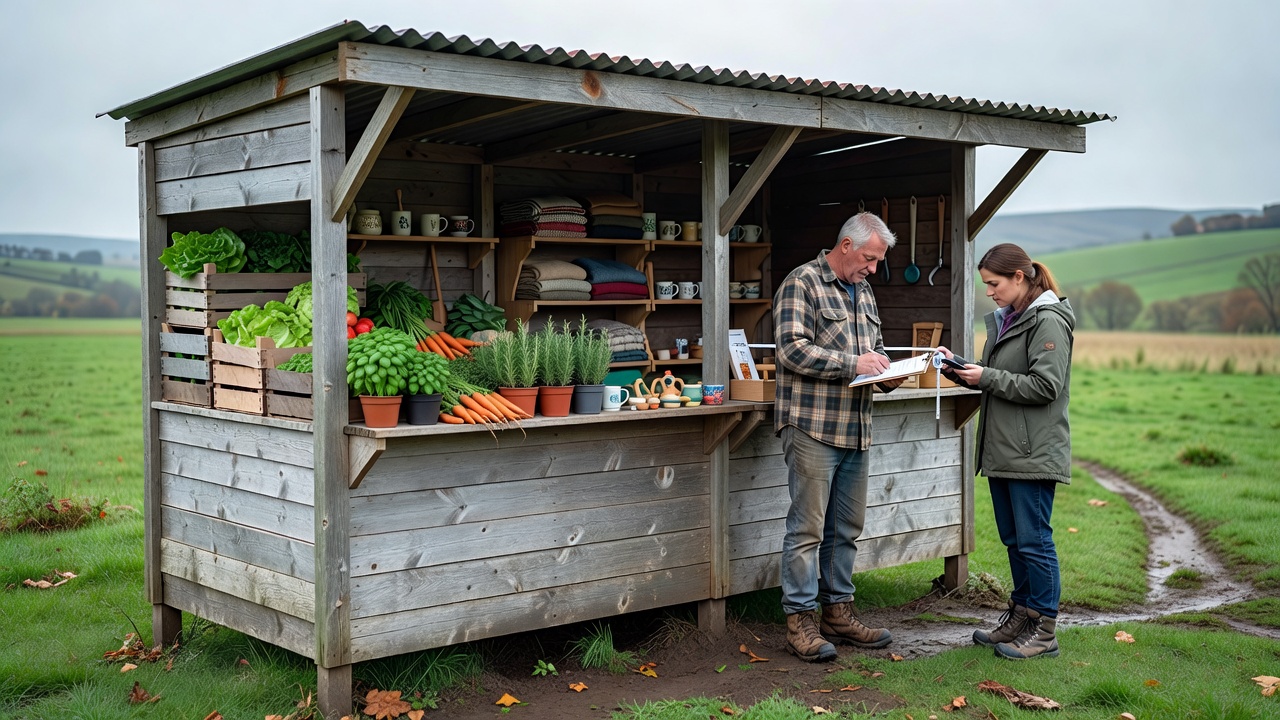
Gladestall refers to a versatile outdoor structure designed for markets, gardens, and small-scale retail. Buyers often focus on specific numerical data to evaluate suitability. These figures include dimensions, material quantities, weight limits, and cost breakdowns that influence long-term value.

Core Dimension and Capacity Figures
Standard Gladestall units measure 10 feet by 12 feet at the base, providing 120 square feet of covered space. Height reaches 8 feet at the peak, allowing comfortable standing room while maintaining stability in moderate winds. Load capacity for the roof typically supports 150 pounds per square foot when constructed with reinforced framing. Frame thickness averages 2 inches for wooden models, balancing durability against portability. These measurements help determine fit within available plots or vendor spaces.
Weight of a basic assembled unit falls between 180 and 250 pounds depending on wood type. This range affects transport requirements, with lighter cedar versions preferred for frequent relocation. Surface area calculations also matter for layout planning, as each stall accommodates up to four display tables of standard size.
Cost and Material Quantity Metrics
Entry-level Gladestall kits start at approximately 450 dollars, while premium options with weatherproofing reach 1200 dollars. Lumber requirements usually total 45 to 60 linear feet of treated timber. Roofing material covers 140 square feet, often using corrugated panels rated for 20-year lifespans. Fastener counts average 200 screws and bolts per unit, ensuring structural integrity under seasonal use.
Maintenance estimates suggest resealing every 18 months at a cost of 35 dollars in supplies. Energy efficiency ratings for optional add-ons, such as solar lighting, indicate 12-watt consumption per fixture. These numbers allow precise budgeting over a five-year ownership period.
Environmental and Usage Statistics
Sustainability metrics show that responsibly sourced Gladestall models sequester roughly 80 pounds of carbon during production. Water runoff diversion equals 25 gallons per moderate rainfall due to angled roofing. Average lifespan extends 12 to 15 years with proper care, reducing replacement frequency compared to temporary alternatives.
Usage data from various settings indicates peak occupancy of six people comfortably. Inventory capacity supports 300 pounds of merchandise without floor reinforcement. Seasonal performance figures reveal minimal temperature fluctuation inside the structure, typically within 5 degrees of ambient air during summer months.
Selecting a Gladestall involves matching these quantifiable attributes to specific needs. Accurate review of listed specifications prevents overspending and ensures functional alignment with intended applications.